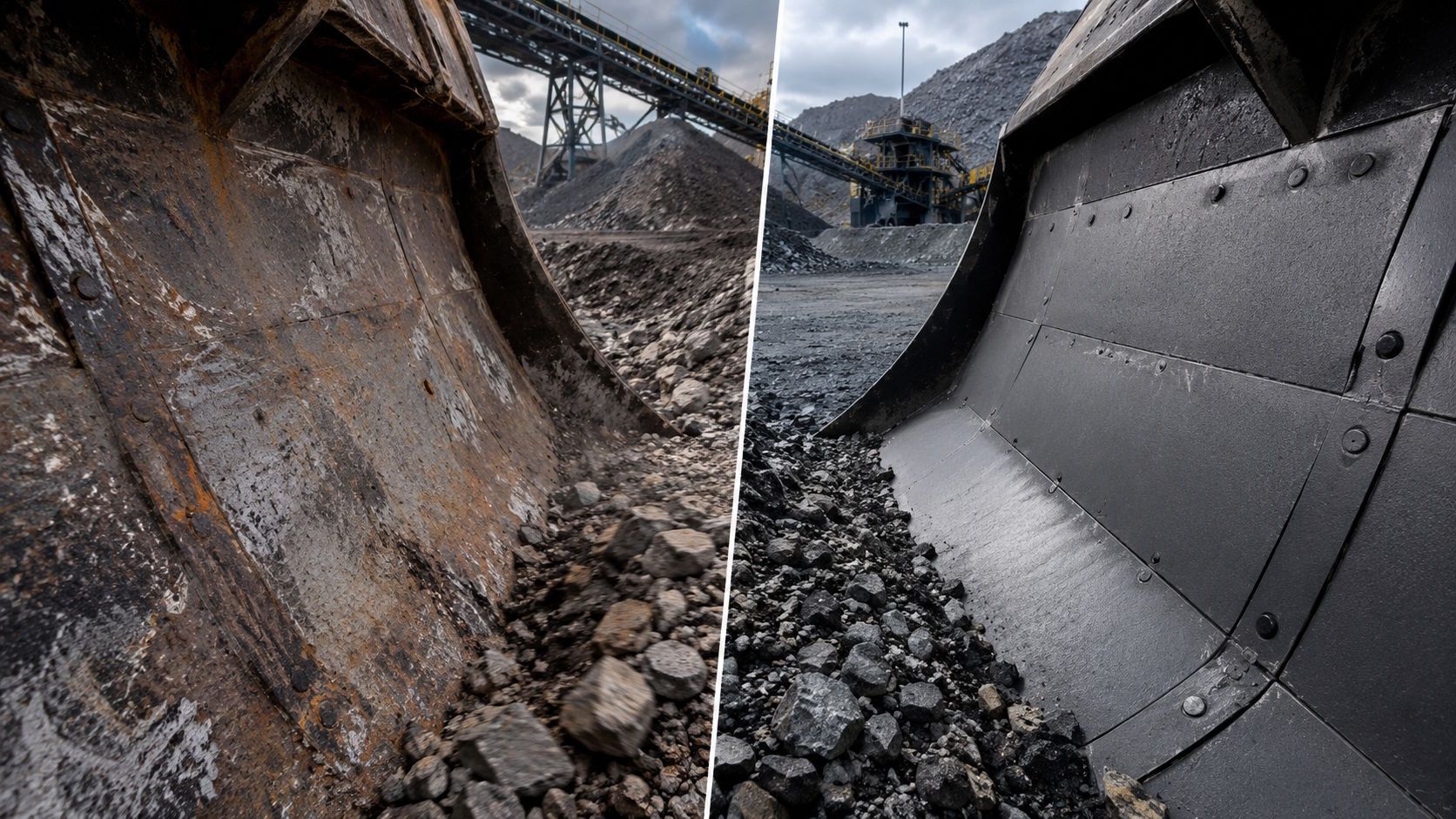
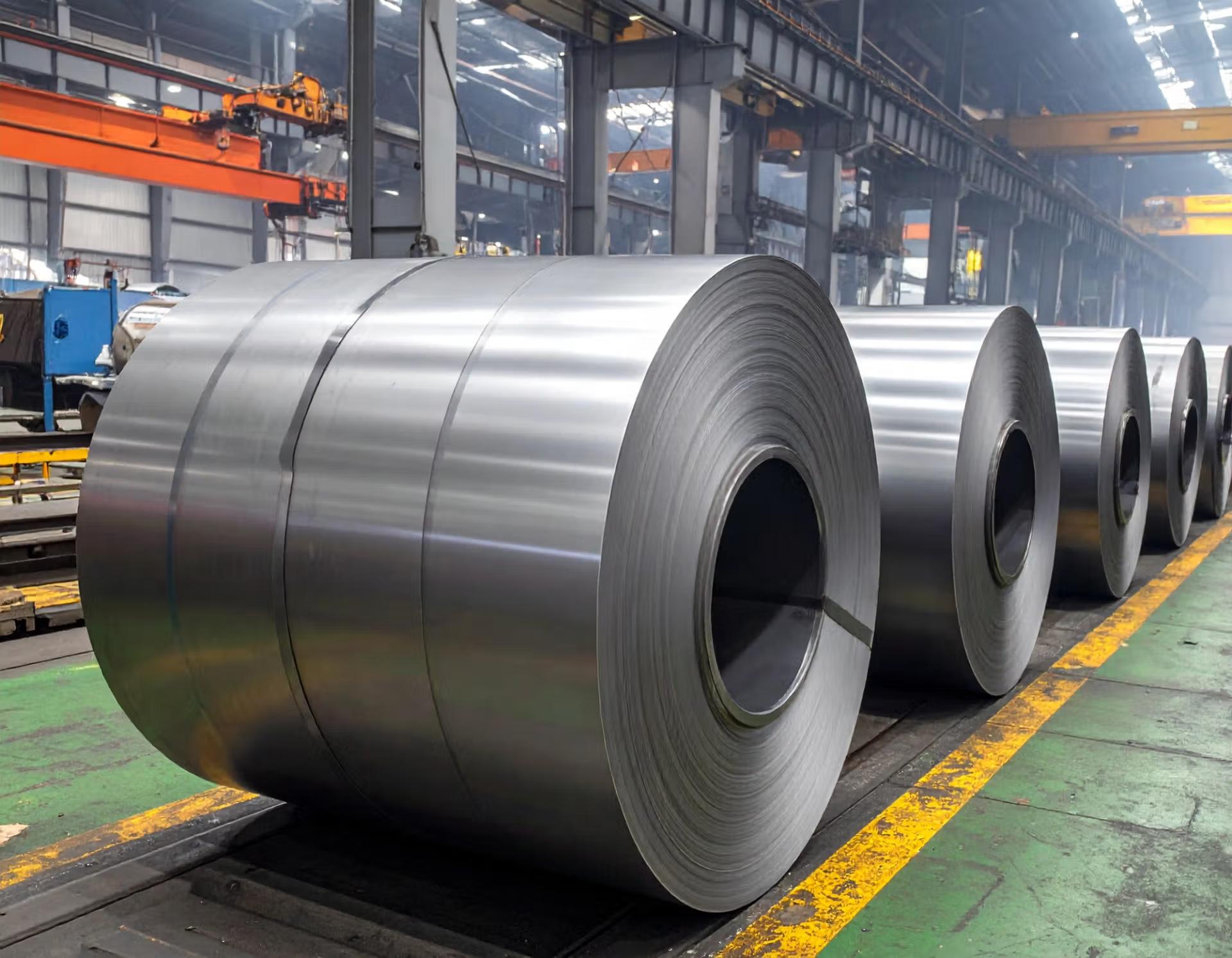
In the heavy industrial and fabrication sectors, the traditional supply chain has long been a fragmented process. A project manager typically sources raw material from a mill, coordinates secondary transport to a processing facility for cutting or rolling, and finally manages a third leg of logistics to get the parts to the job site. While this multi-step approach was once the standard, it introduces significant variables in cost, timing, and quality control that modern project schedules can rarely afford. Premium Plate Supply was established in 2016 specifically to disrupt this model by offering a single-site solution that keeps material procurement and advanced fabrication under one roof.
The most immediate advantage of this integrated model is the drastic reduction in logistical complexity. When steel is processed at the point of supply, the hidden costs of "double-handling" are virtually eliminated. In a conventional setup, every time a plate is loaded, transported, and unloaded, the risk of surface damage or edge deformation increases, and freight costs climb. By consolidating these steps, a single purchase order covers everything from the initial mill-certified steel plate to the final beveled and rolled component. This not only simplifies the accounting process but ensures that the material is never sitting idle on a third-party dock waiting for transit.
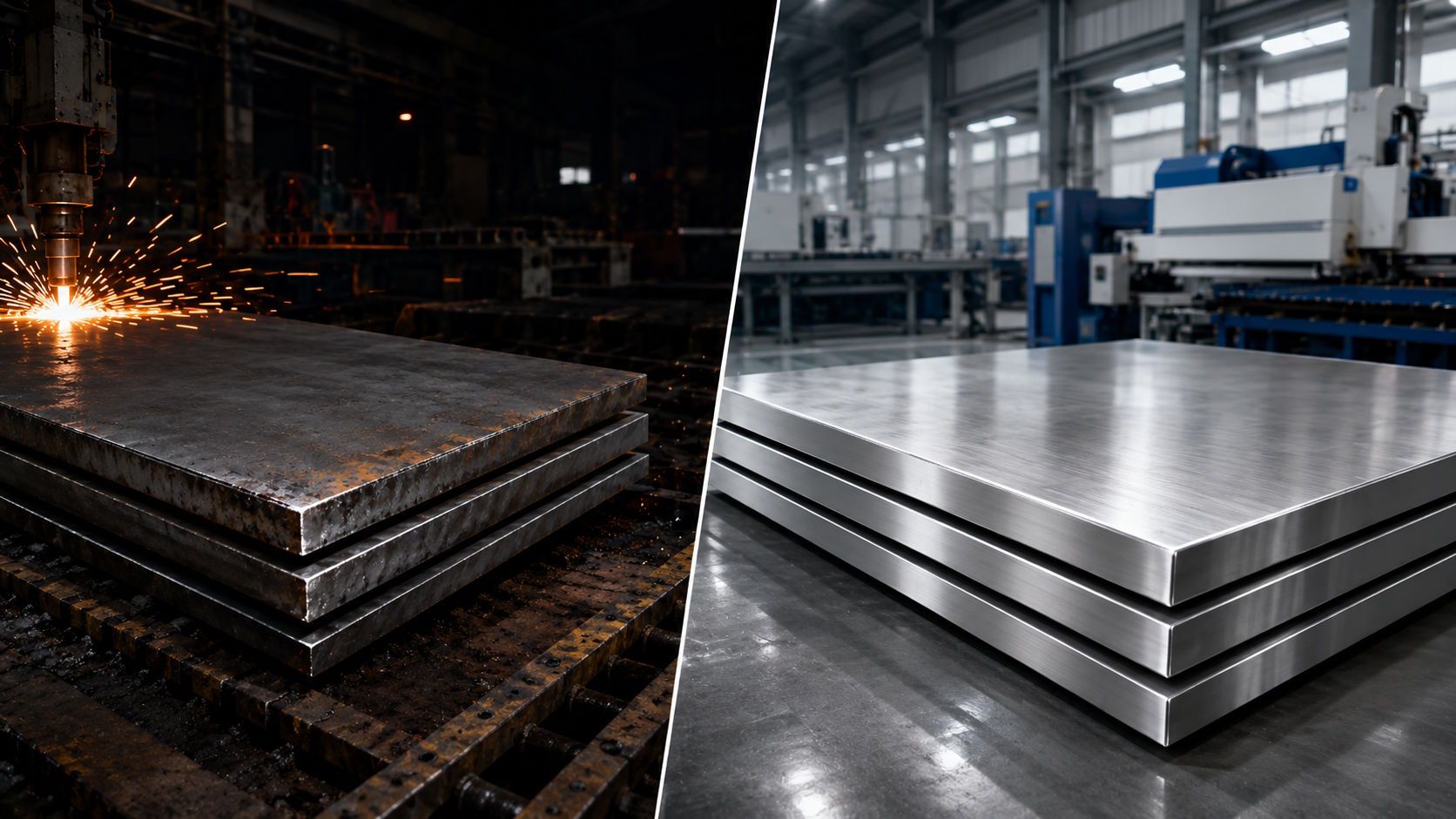
Speed is perhaps the most critical factor in modern industrial applications, where commissioning dates are often set months in advance. Because our processing lines - including high-definition plasma cutting with 360-degree bevel heads - are located adjacent to our material inventory, the transition from raw stock to project-ready parts is nearly instantaneous. There is no waiting for a carrier to move plates between vendors. This compression of the timeline allows fabrication teams to receive their steel precisely when they are ready to begin assembly, effectively turning a supply chain bottleneck into a competitive advantage.
Beyond the schedule, a single-source partner provides a higher level of technical accountability and traceability. Quality control is inherently more robust when the team supplying the steel is the same team performing the precision rolling or heat treating. At Premium Plate, every order is backed by 100% traceability, with stenciled identifiers on every plate that link directly back to the original Mill Test Reports. Whether a project requires REDI-PLATE™ surface preparation for better coating adhesion or complex press brake forming for large-format plates, the integrated nature of the work ensures that the final assembly meets all performance and code requirements without the finger-pointing that often occurs between separate material and processing vendors.
FAQ
Recent Posts
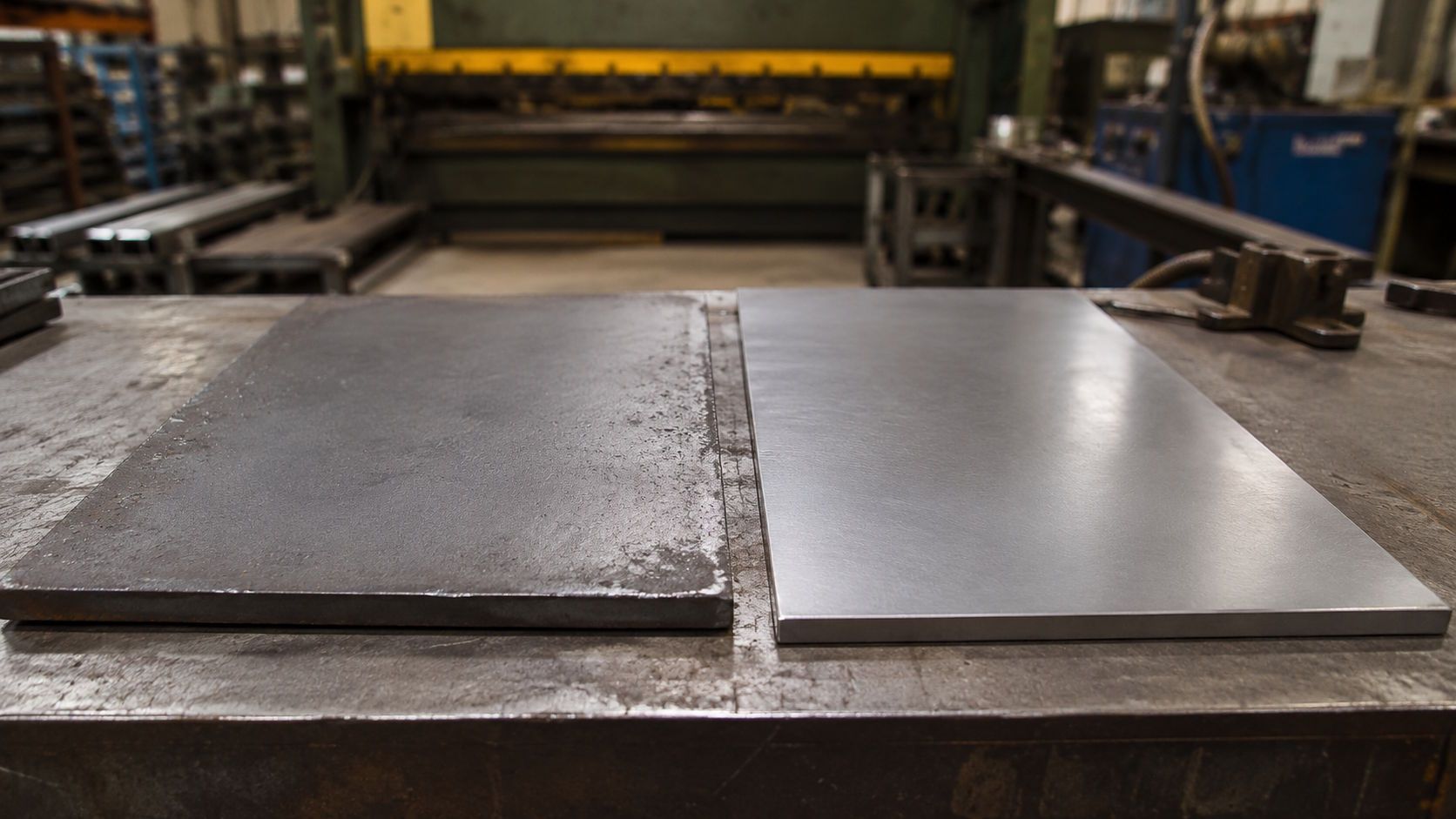
Hot Rolled vs Cold Rolled Steel Plate: What’s the Difference
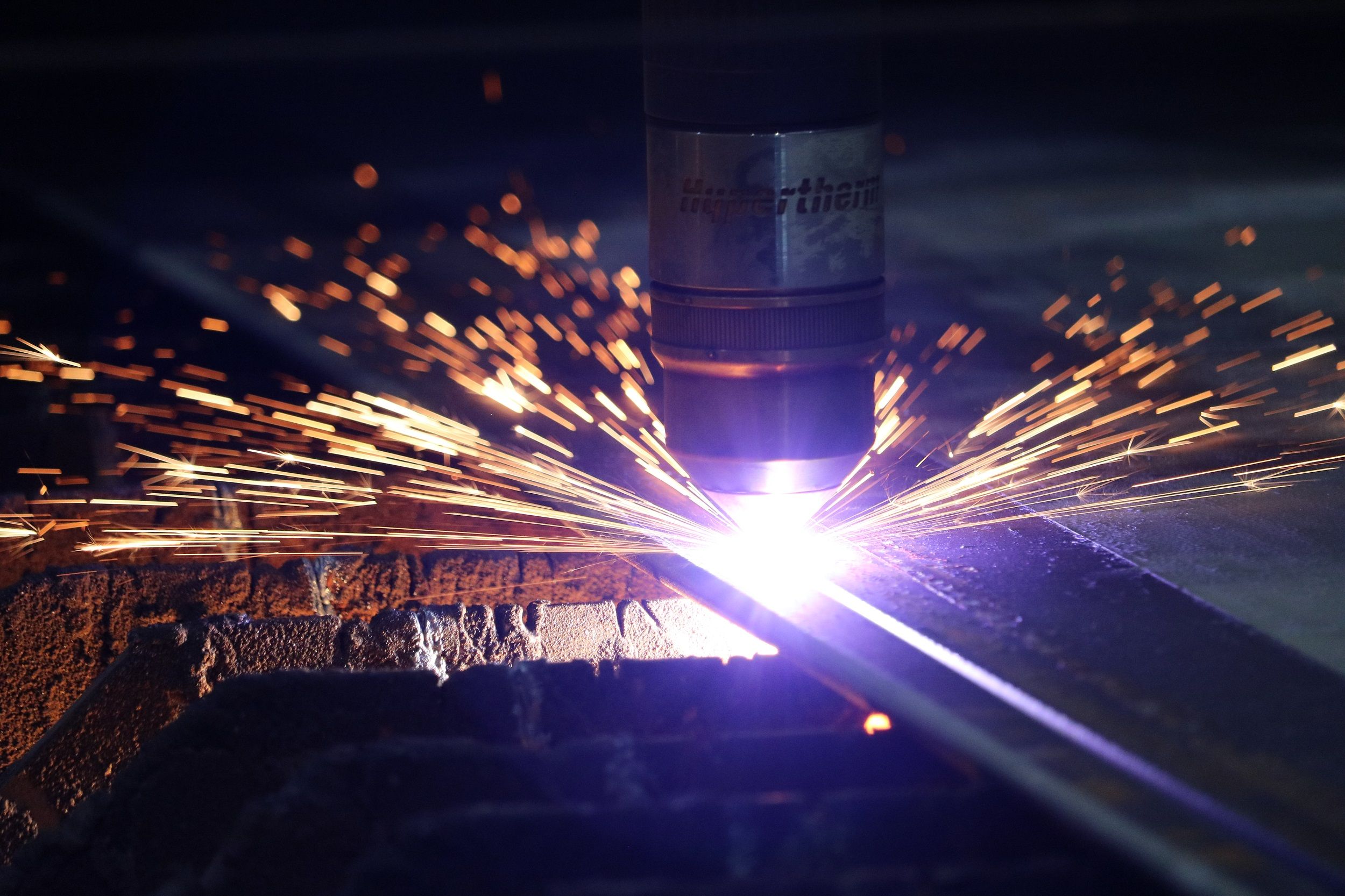
Plasma Cutting vs Laser Cutting: Which Is Better for Steel Plate
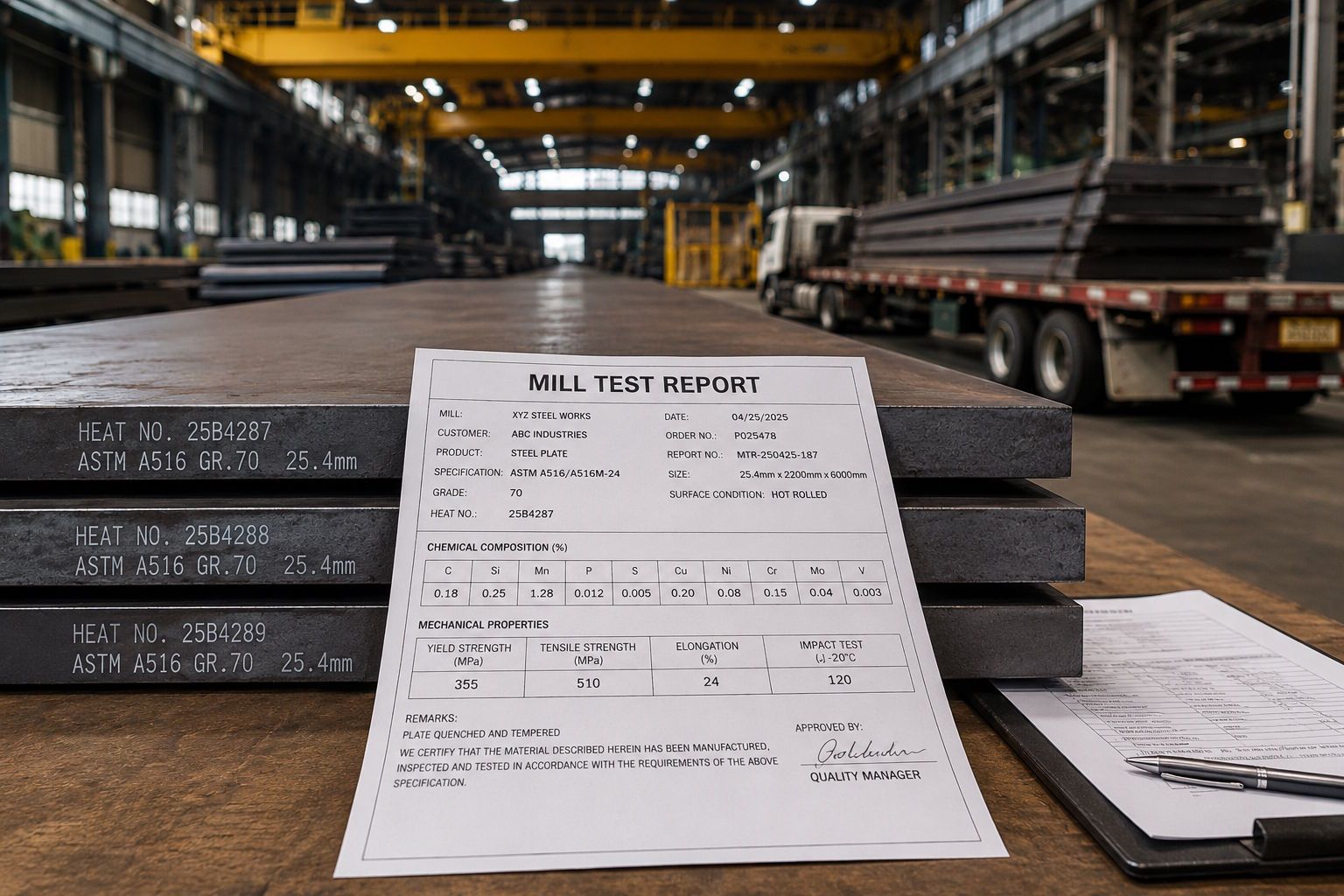
What Is Mill Test Report? Steel Plate Buyer’s Guide
Common Industrial Uses of Steel Plate in Modern Fabrication