
Hot Rolled Steel Pipe for Industrial and Pressure Applications
Hot rolled steel pipe is a cylindrical steel product used in systems requiring controlled wall thickness, standardized sizing, and reliable performance under internal pressure. It is commonly incorporated into industrial piping networks, mechanical systems, and structural applications where round hollow sections are specified by industry standards. Premium Plate offers hot rolled steel pipe in commonly specified nominal sizes and schedules to support industrial and infrastructure requirements.
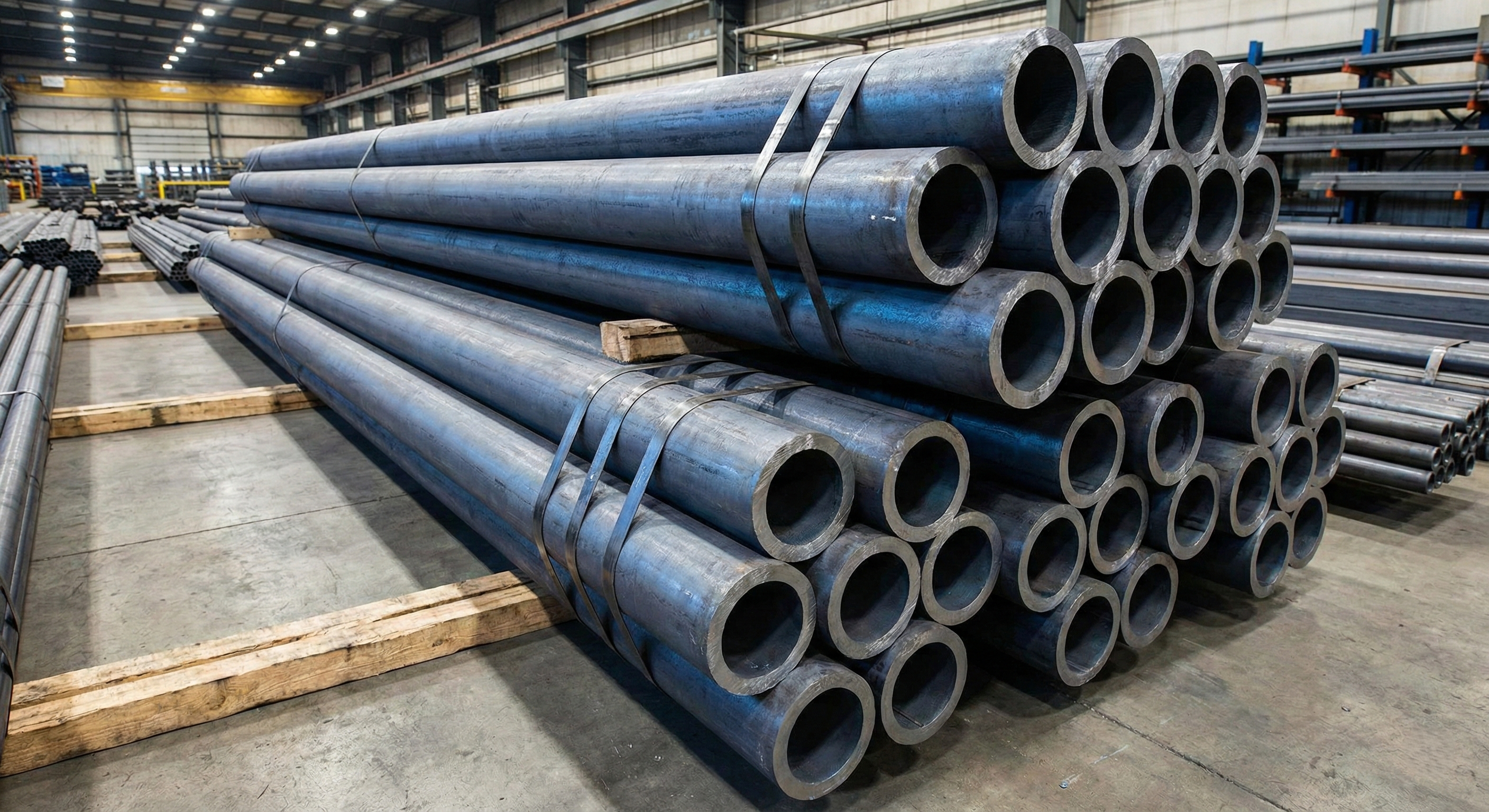
Hot Rolled Steel Pipe for Fluid Systems and Structural Use
Hot rolled steel pipe is widely used in fluid transport and process systems where dimensional standardization is critical. Unlike structural tubing, pipe is classified by Nominal Pipe Size (NPS) and schedule, which define its outside diameter and wall thickness for pressure-related applications.
What Is Hot Rolled Steel Pipe?
Hot rolled steel pipe is produced by forming heated steel into a continuous cylindrical shape, either through seamless piercing processes or by welding rolled plate into a tubular section. The manufacturing method influences performance characteristics such as pressure capacity and dimensional tolerances.
Pipe specifications are defined by:
- Nominal Pipe Size (NPS)
- Schedule designation (wall thickness)
- Standardized outside diameter dimensions
These standardized classifications ensure compatibility within piping systems used in industrial facilities, mechanical installations, infrastructure projects, and energy applications.
Advantages of Using Hot Rolled Steel Pipe
- Suitable for fluid and pressure-related systems
- Available in multiple wall thickness schedules
- Durable for industrial environments
- Compatible with welding and threaded connections
- Widely standardized for system integration
These characteristics make hot rolled steel pipe a practical choice for industrial facilities and infrastructure applications.
Hot Rolled Steel Pipe Grades
Premium Plate supplies hot rolled steel pipe in commonly specified nominal pipe sizes and schedules, with cut-to-length options available.
The following grades are available to meet varying strength, pressure, and fabrication requirements in steel pipe applications.
1008/1020: Low-carbon steel grades offering good weldability and formability. Commonly used for general fabrication and light structural components.
1018: A low-carbon steel with improved machinability and slightly higher strength than 1008/1020. Frequently selected for precision parts and welded assemblies.
1020/1026: Carbon steel grades offering balanced strength and ductility. Frequently selected for mechanical and structural pipe applications.
1045: A medium-carbon steel known for higher strength and improved wear resistance. Used in applications where greater hardness and durability are required.
4140/4142: Alloy steel grades providing enhanced strength and toughness. Used in applications where higher mechanical performance is required.
A1011: A hot-rolled carbon steel specification widely used for structural and forming applications. Offers reliable strength and weldability.
A36: A structural carbon steel grade offering reliable strength and weldability. Suitable for general-purpose pipe applications in non-critical structural and industrial systems.
A500: A structural specification known for higher strength and improved dimensional control. Commonly used in load-bearing structural applications.
A513: An electric resistance welded (ERW) carbon steel specification with tight dimensional tolerances. Often used for mechanical and precision structural components.
A572: A high-strength low-alloy structural steel offering improved strength-to-weight performance. Suitable for structural applications requiring higher load capacity.
A992: A structural steel grade with higher yield strength and good weldability. Commonly specified for modern structural framing systems.
AR235: An abrasion-resistant steel grade designed for moderate wear conditions. Used in applications exposed to friction, impact, or material handling environments.
Need Assistance Selecting Hot Rolled Steel Pipe?
If you are reviewing pressure ratings, wall thickness requirements, or installation considerations, our team can help identify the appropriate hot rolled steel pipe specification for your project.
Structural Steel Processing Services
Premium Plate provides a full range of steel plate supply and in-house processing, giving customers control from mill-certified raw plate to finished parts. We handle every stage to maintain accuracy, uniform quality, and complete material traceability.
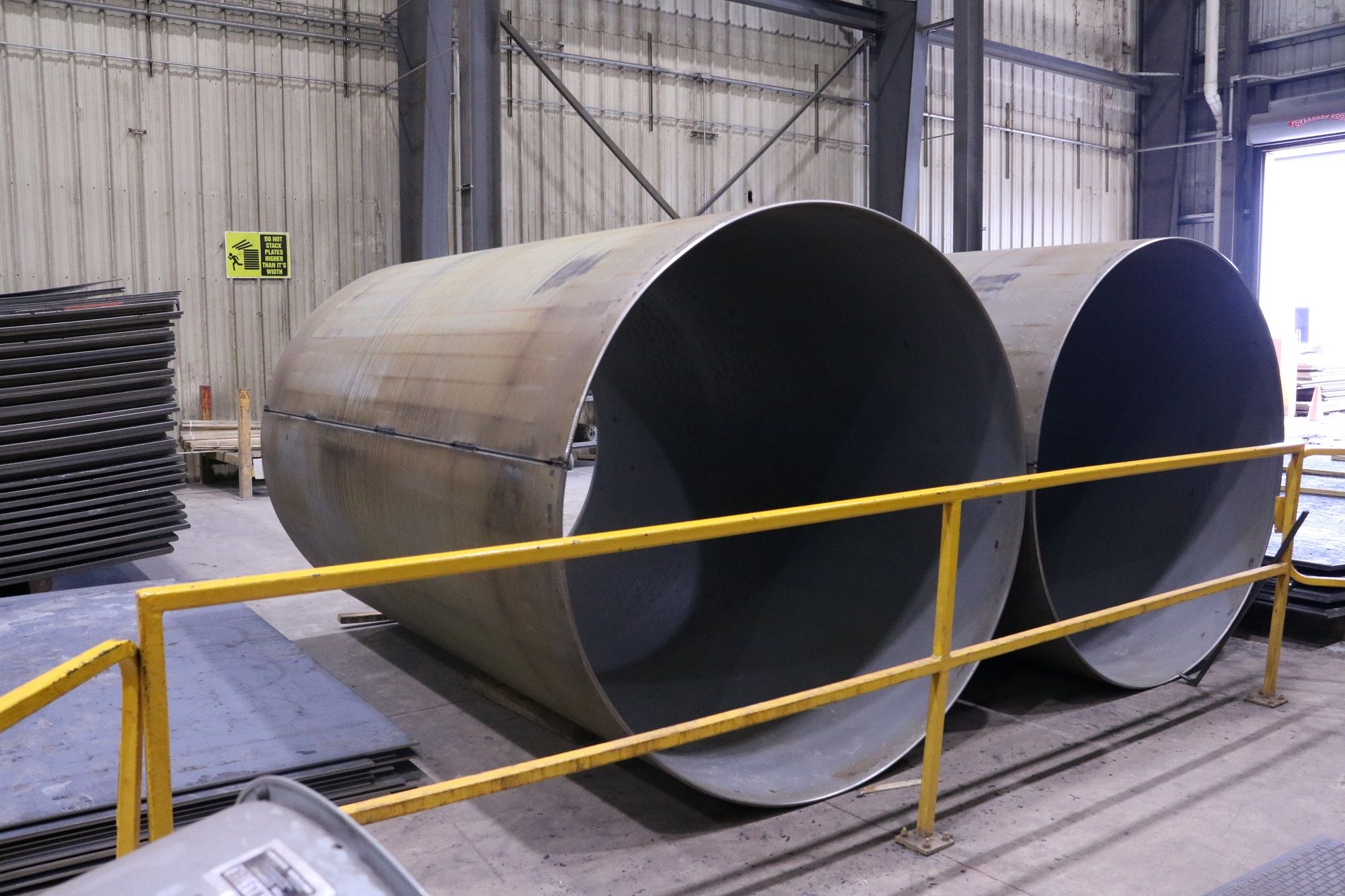
Full-scope plate processing including cutting, forming, and finishing. One-stop industrial fabrication. Steel plate processing services from Premium Plate
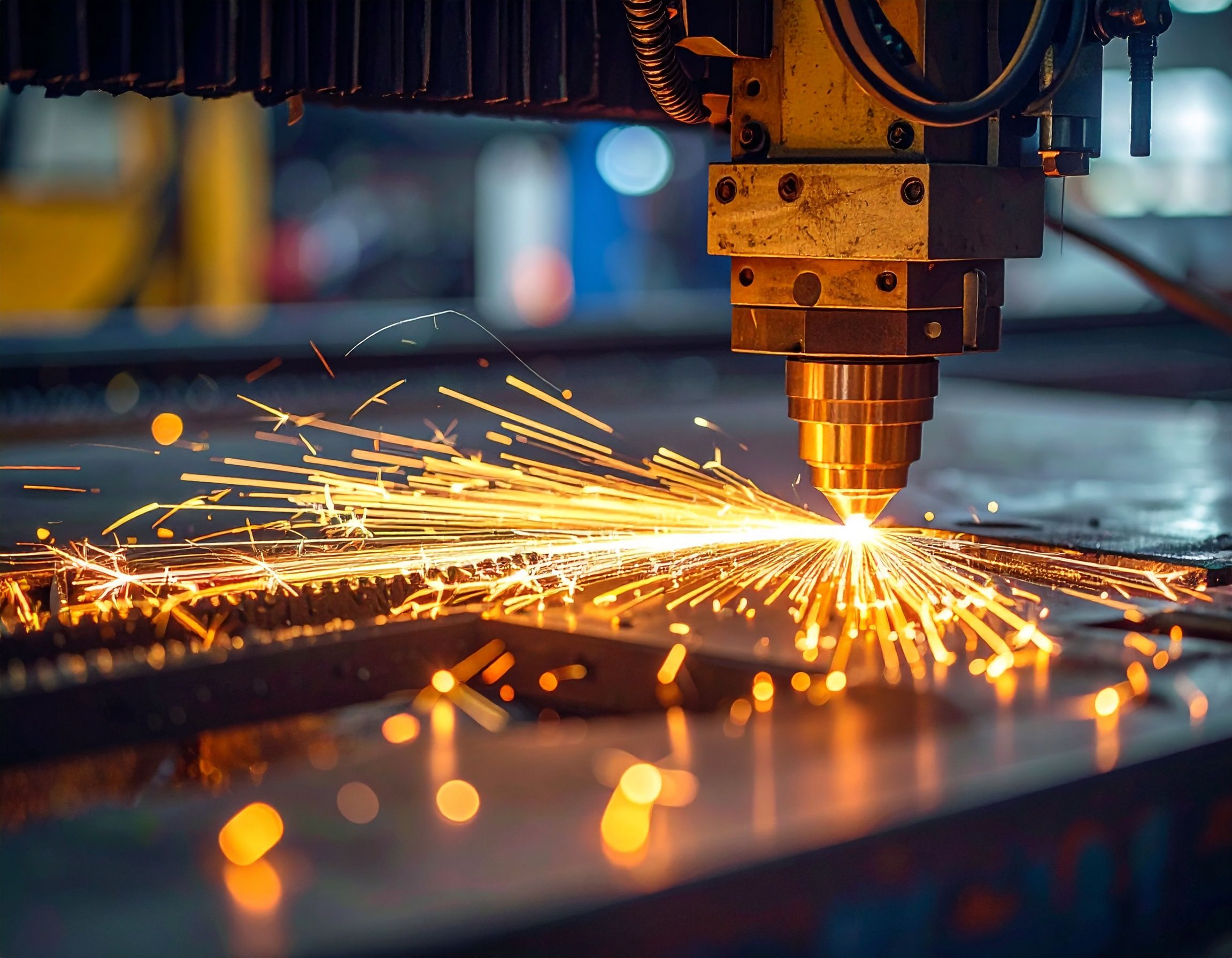
High-accuracy metal laser cutting and beveling service for clean edges and tight geometry. Suitable for stainless and alloy plates. Steel plate laser cutting and beveling from Premium Plate
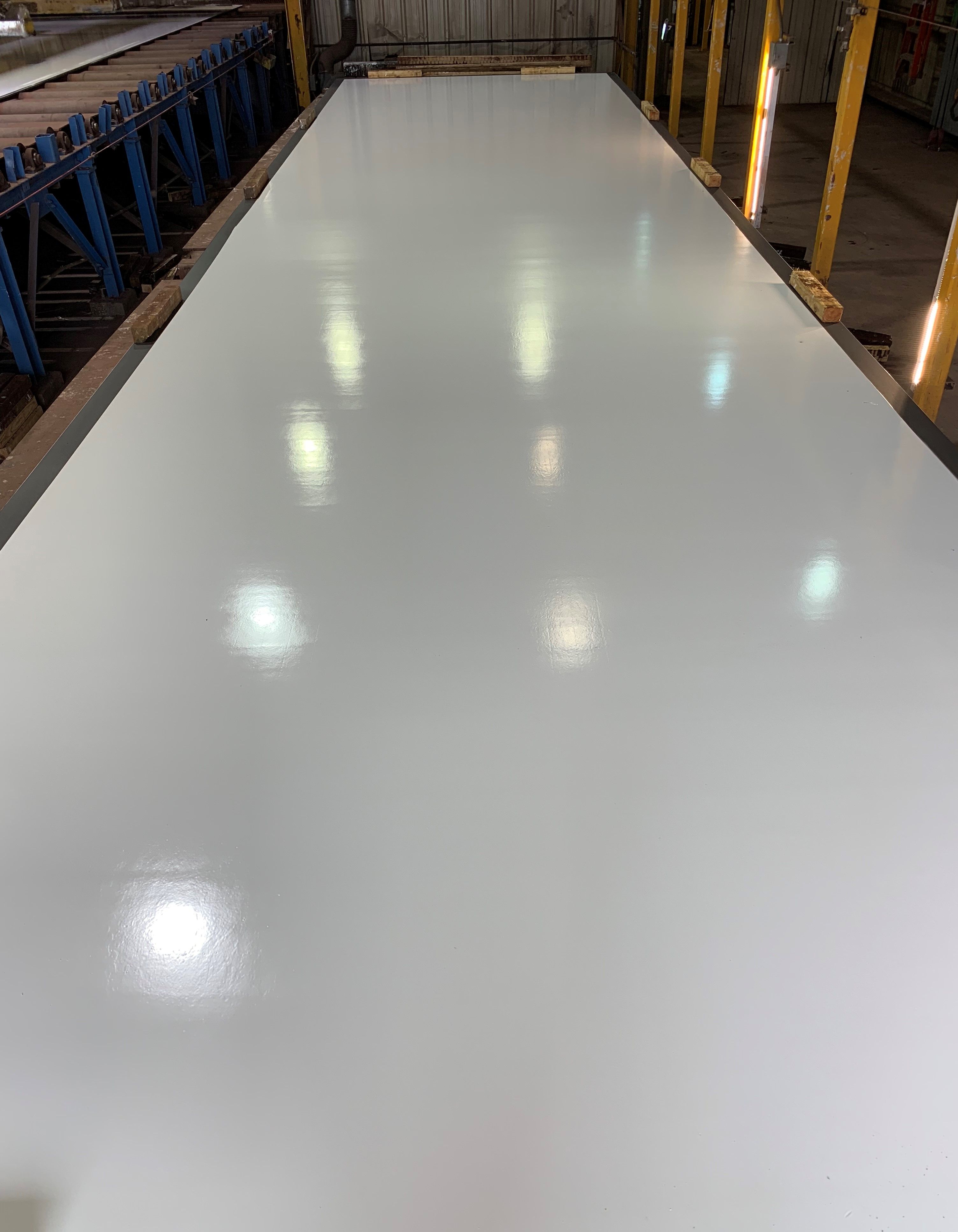
Protective high-build coatings for harsh environments. Industrial durability and application quality. Metal coating services from Premium Plate
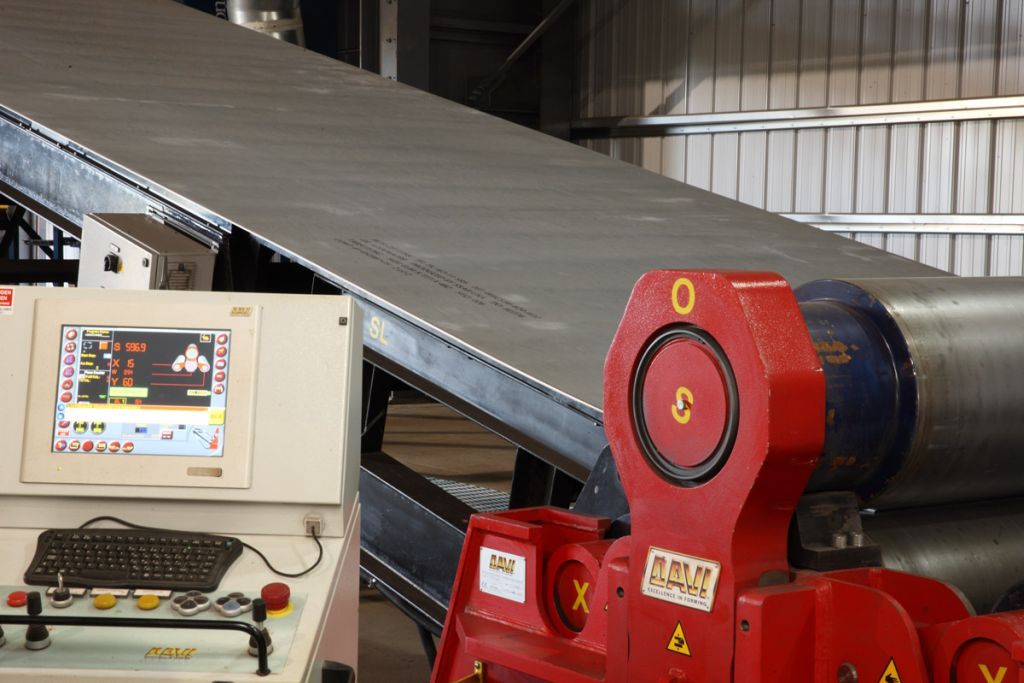
Precision rolling for steel plates. Large-format cylinders, arcs, and formed components. Steel plate rolling services from Premium Plate
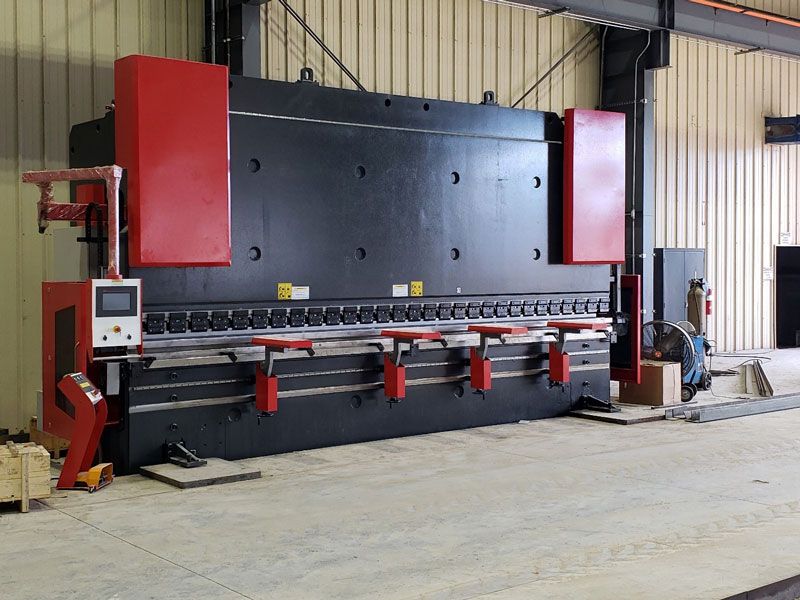
Heavy-duty forming for industrial steel plates. Complex bends, tight tolerances, high-capacity equipment. Steel plate forming services from Premium Plate
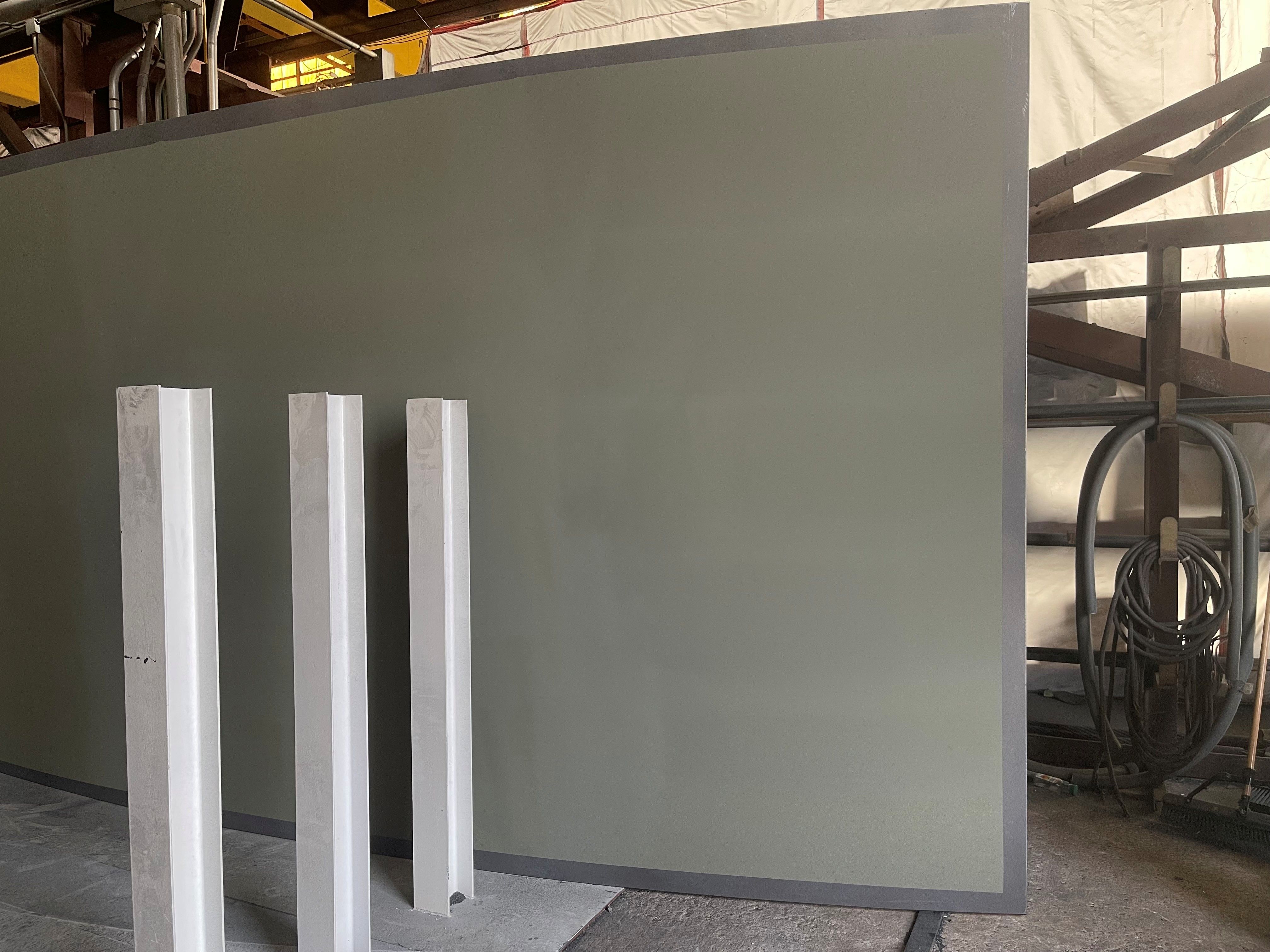
Shot blasting and priming for corrosion protection and coating readiness. Industrial-grade surface prep. Steel shot blasting services from Premium Plate
Controlled PWHT to reduce residual stresses and improve weld performance. Certified procedures. Post weld heat treatment by Premium Plate

FAQs About Hot Rolled Steel Pipe
Ready to Discuss Your Project?
Contact our engineering team for a custom quote or technical consultation
Contact Information
Business Hours
-
Monday - Friday: 8:00 AM - 5:00 PM CST
Global Sales Managers
-
United States & Latin America
Chad Odom