
Hot Rolled Steel Channel for Structural Framing and Reinforcement
A hot rolled steel channel is a C-shaped structural steel section manufactured through the hot rolling process and used to provide directional strength within framing systems. Its profile combines a vertical web with projecting flanges, allowing the section to support loads while offering accessible mounting surfaces. Premium Plate offers hot rolled steel channel products for commercial, industrial, and fabrication applications requiring dimensional consistency and dependable structural components.
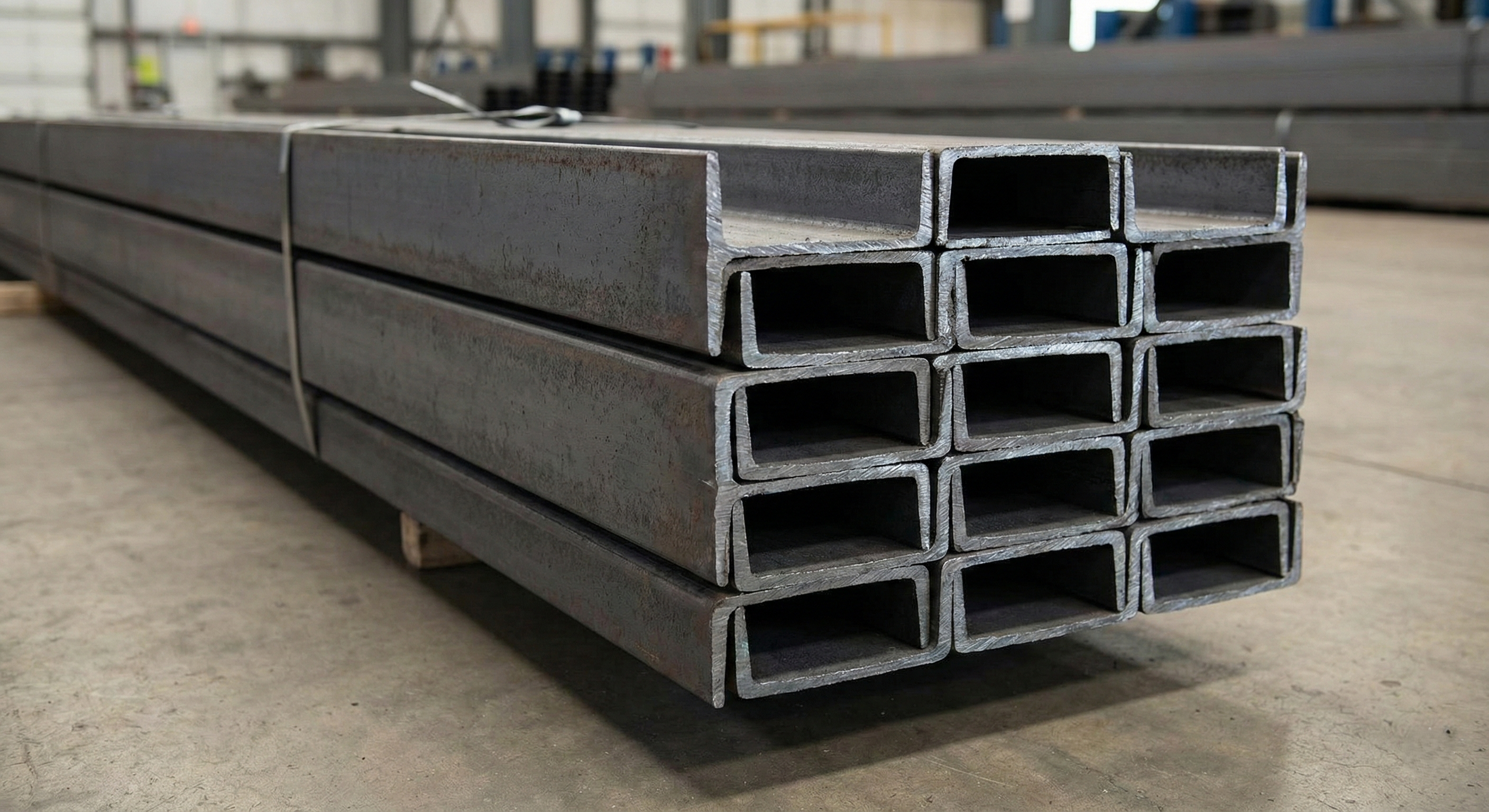
Hot Rolled Steel Channel for Framing, Support, and Structural Integration
Hot rolled steel channel is commonly integrated into structural systems as a secondary support component. It is often used to reinforce frameworks, stabilize assemblies, and provide alignment within larger structural designs.
What Is a Hot Rolled Steel Channel?
Hot rolled steel channel features an open C-profile consisting of a vertical web and two parallel flanges extending in the same direction. This configuration concentrates material along one axis, making the section effective for linear reinforcement and attachment-oriented structural components.
Because of its open geometry, channel sections are commonly incorporated into:
- Secondary framing members
- Equipment support structures
- Trailer and transport assemblies
- Cross-bracing systems
- Edge stiffeners and perimeter reinforcement
Advantages of Using Hot Rolled Steel Channel
- Provides efficient structural reinforcement
- Allows flexible mounting and fastening
- Compatible with welding and bolted assemblies
- Suitable for secondary load-bearing applications
- Available in commonly specified structural sizes
These characteristics make hot rolled steel channel a practical choice in structural and fabrication environments where versatility and support alignment are required.
Hot Rolled Steel Channel Grades
Premium Plate supplies hot rolled steel channel in standard structural dimensions, with cut-to-length options available.
The following grades are available to accommodate varying strength, weldability, and structural reinforcement requirements across channel applications.
1008/1020: Low-carbon steel grades offering good weldability and formability. Commonly used for general fabrication and light structural components.
1018: A low-carbon steel with improved machinability and slightly higher strength than 1008/1020. Frequently selected for precision parts and welded assemblies.
1020/1026: Provide a balanced combination of strength and ductility. Suitable for structural components requiring moderate load-bearing capability.
1045: A medium-carbon steel known for higher strength and improved wear resistance. Used in applications where greater hardness and durability are required.
4140/4142: Chromium-molybdenum alloy steels offering enhanced strength, toughness, and fatigue resistance. Commonly used in high-stress structural and mechanical applications.
A1011: A hot-rolled carbon steel specification widely used for structural and forming applications. Offers reliable strength and weldability.
A36: A commonly specified structural carbon steel grade offering reliable strength and weldability. Frequently used for channel sections in framing and reinforcement applications.
A500: A structural specification known for higher strength and improved dimensional control. Commonly used in load-bearing structural applications.
A513: An electric resistance welded (ERW) carbon steel specification with tight dimensional tolerances. Often used for mechanical and precision structural components.
A572: A high-strength low-alloy structural steel providing improved strength-to-weight performance. Suitable for channel members requiring increased load capacity.
A992: A structural steel grade known for consistent mechanical properties and weldability. Typically specified in structural framing systems where standardized structural sections are required.
AR235: An abrasion-resistant steel grade designed for moderate wear conditions. Used in applications exposed to friction, impact, or material handling environments.
Need Assistance Selecting Hot Rolled Steel Channel?
If you are reviewing dimensional requirements or load considerations, our team can help you identify the appropriate hot rolled steel channel size and supply format for your project.
Structural Steel Processing Services
Premium Plate provides a full range of steel plate supply and in-house processing, giving customers control from mill-certified raw plate to finished parts. We handle every stage to maintain accuracy, uniform quality, and complete material traceability.
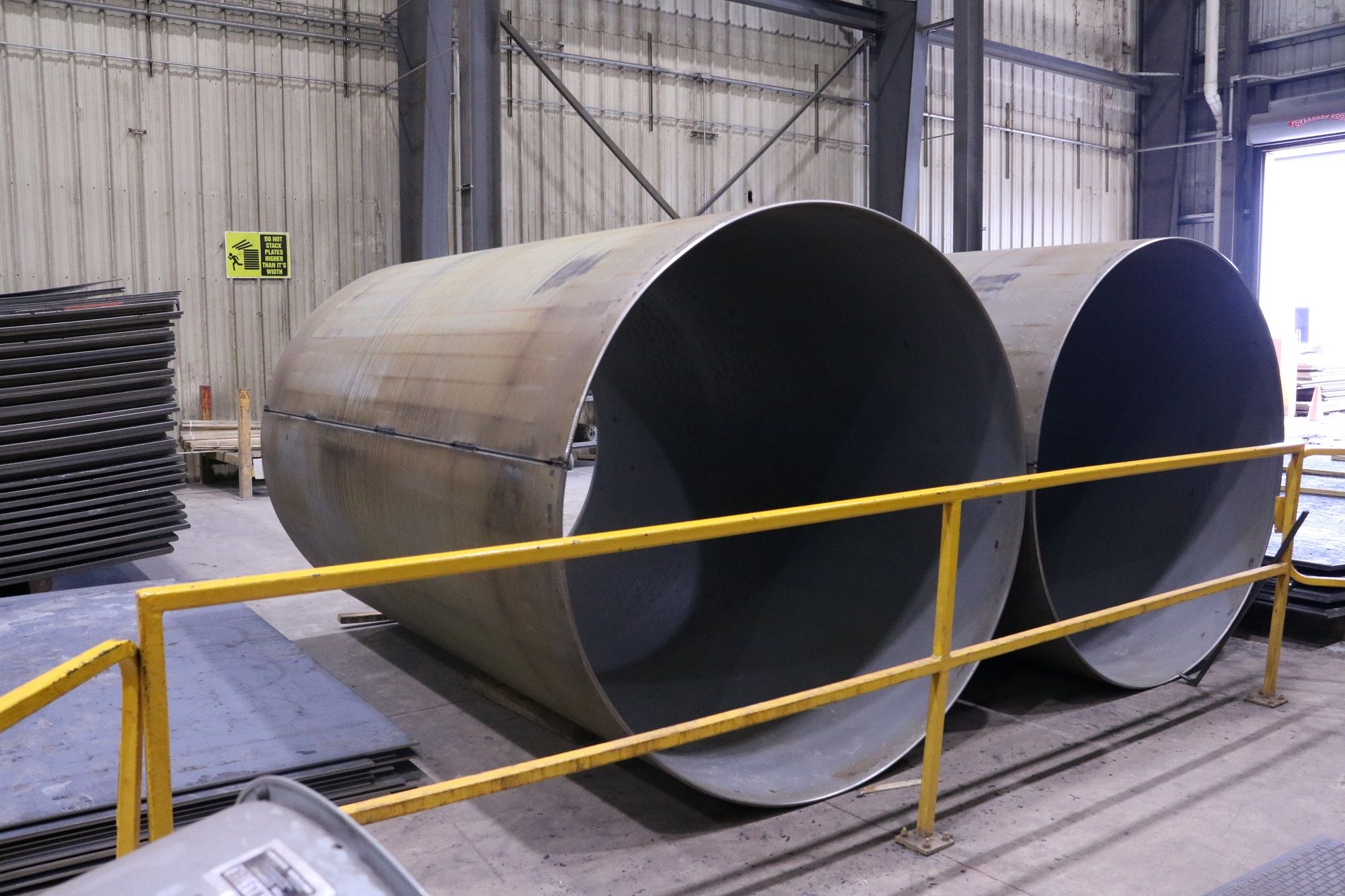
Full-scope plate processing including cutting, forming, and finishing. One-stop industrial fabrication. Steel plate processing services from Premium Plate
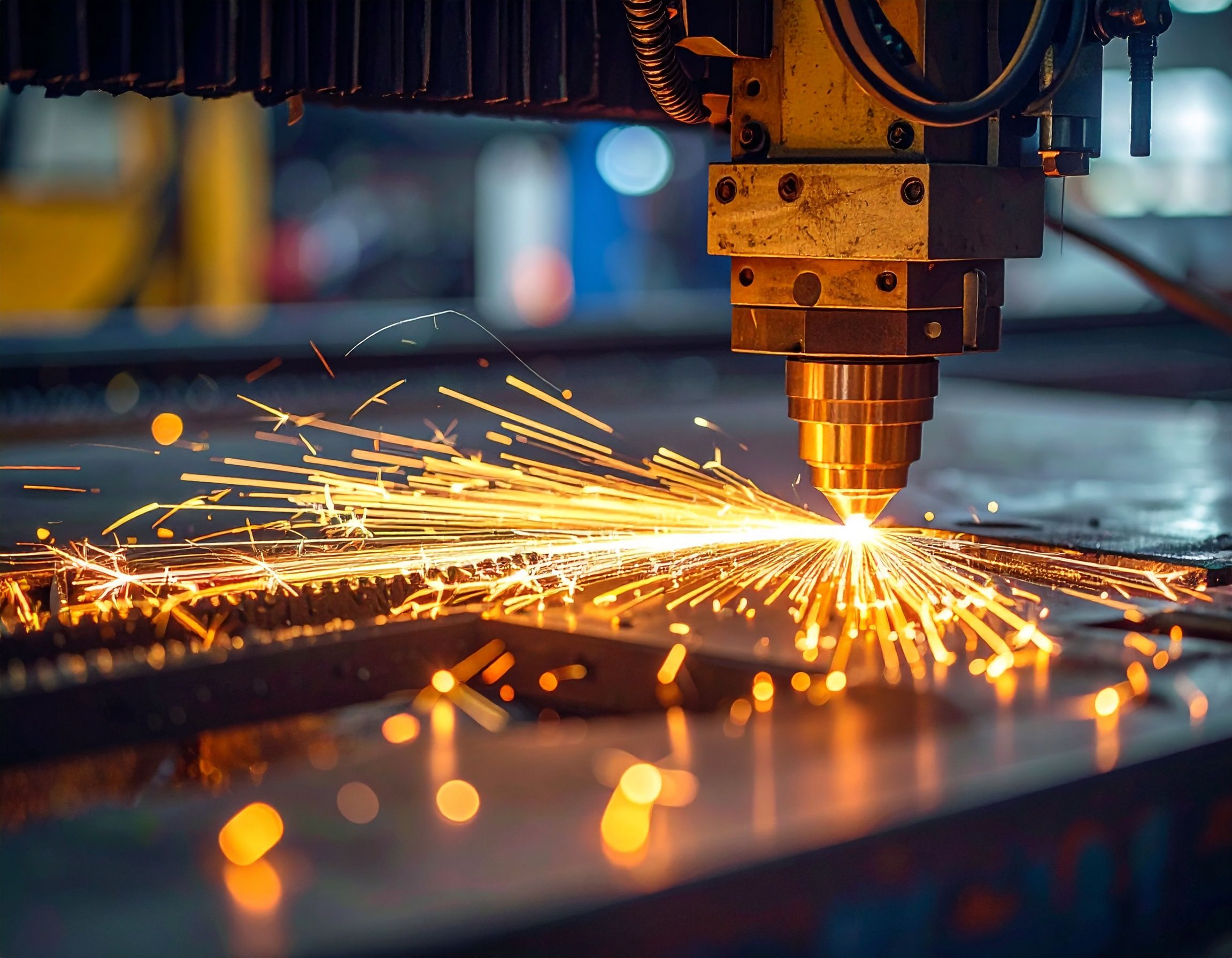
High-accuracy metal laser cutting and beveling service for clean edges and tight geometry. Suitable for stainless and alloy plates. Steel plate laser cutting and beveling from Premium Plate
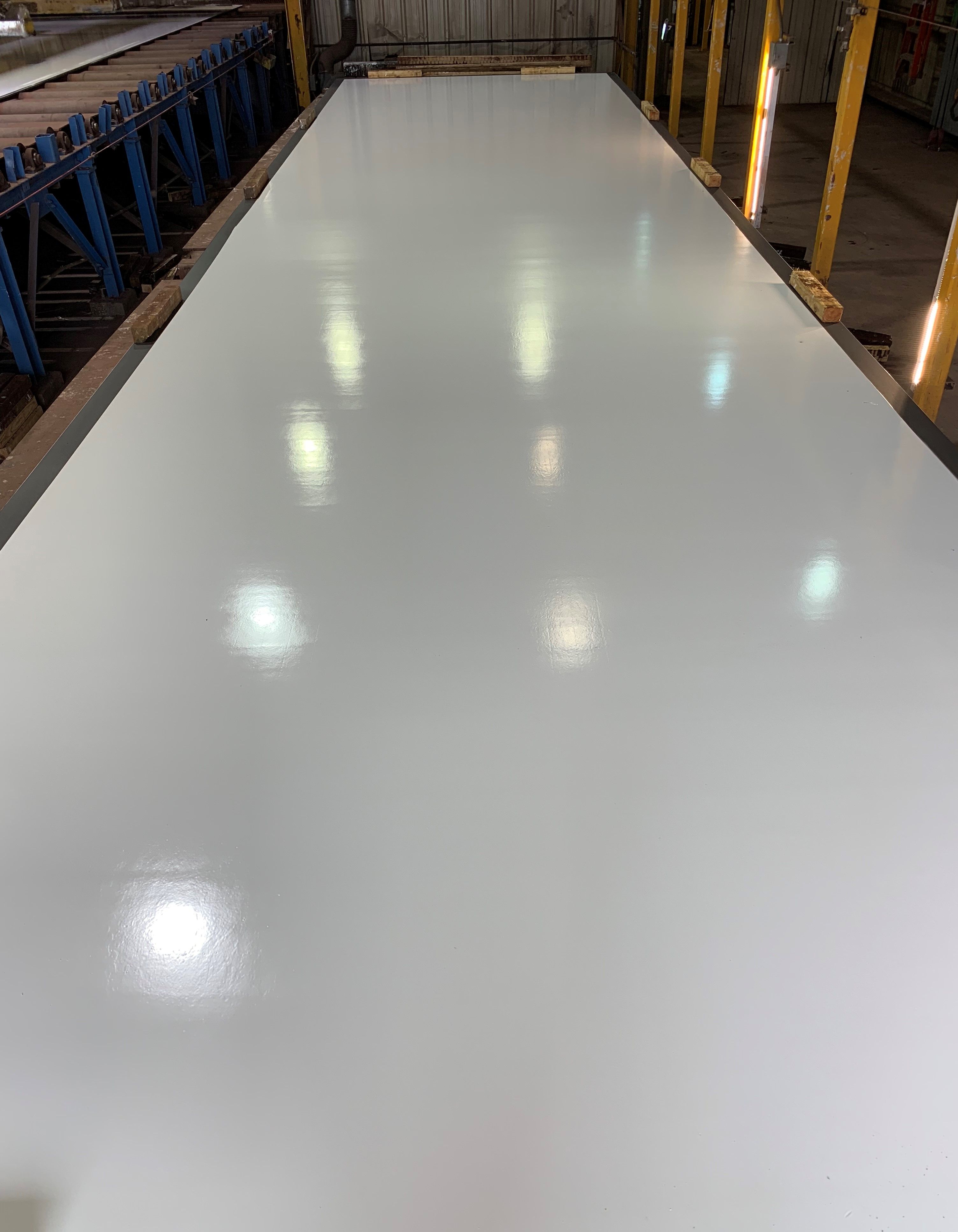
Protective high-build coatings for harsh environments. Industrial durability and application quality. Metal coating services from Premium Plate
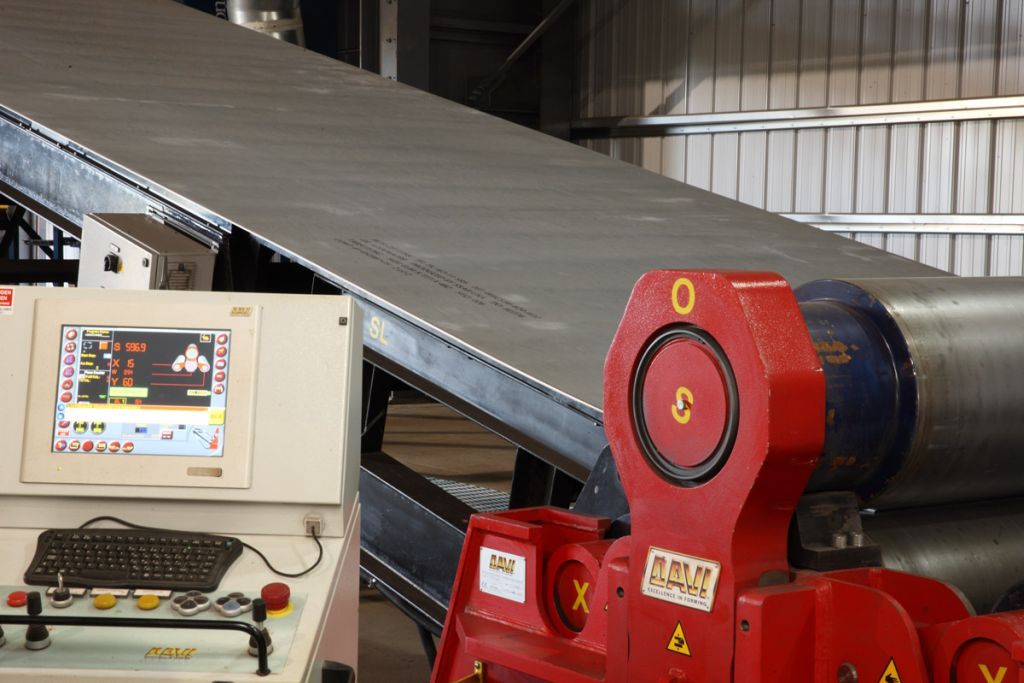
Precision rolling for steel plates. Large-format cylinders, arcs, and formed components. Steel plate rolling services from Premium Plate
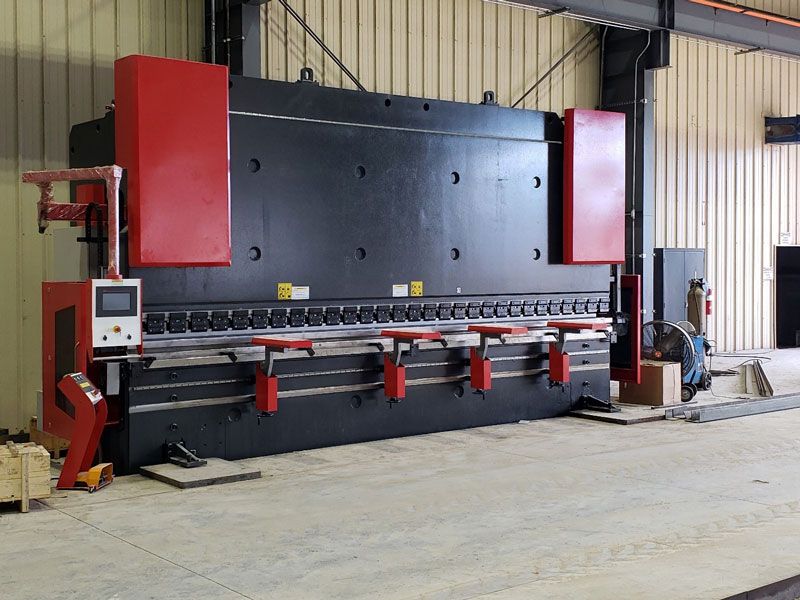
Heavy-duty forming for industrial steel plates. Complex bends, tight tolerances, high-capacity equipment. Steel plate forming services from Premium Plate
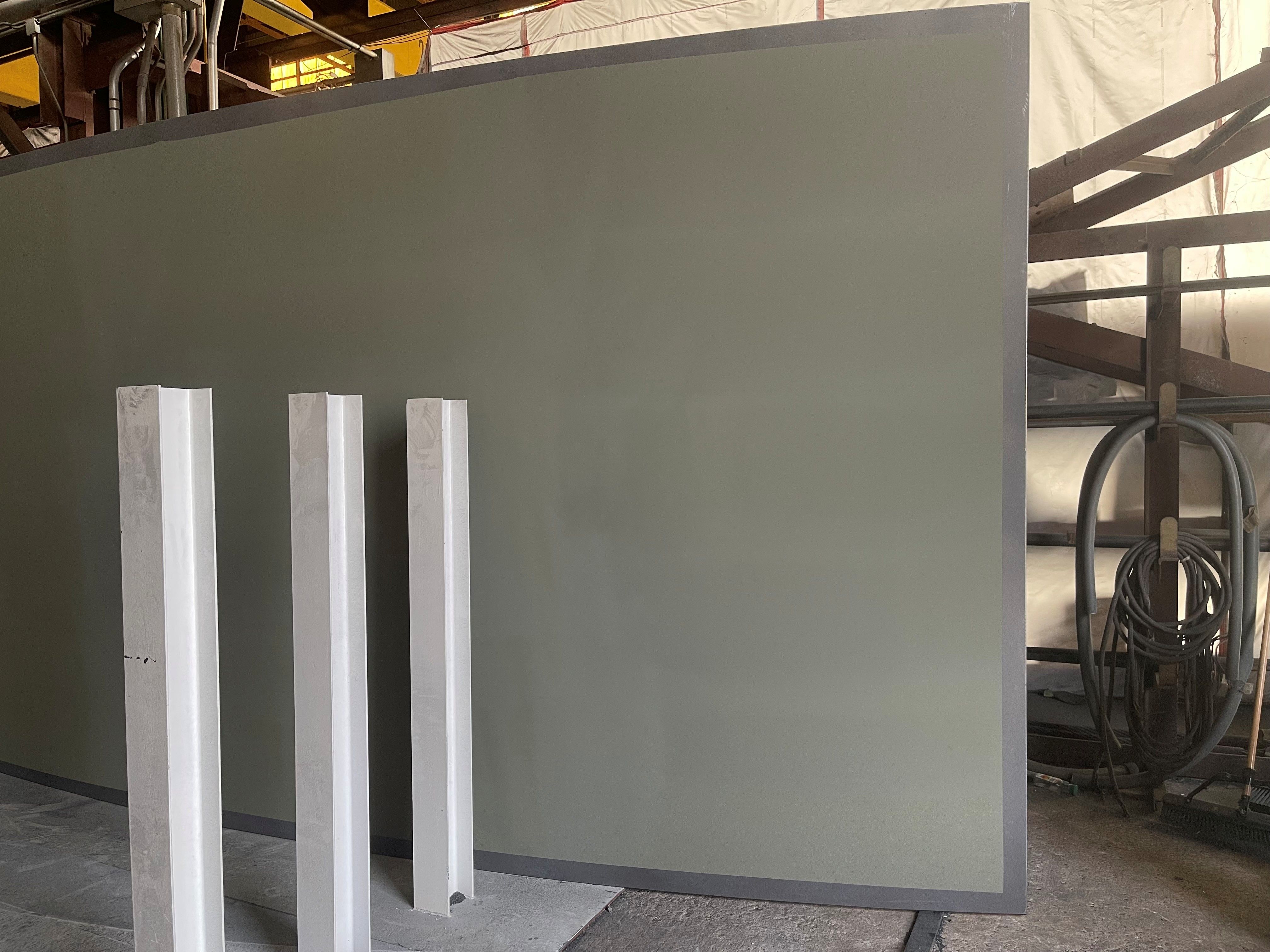
Shot blasting and priming for corrosion protection and coating readiness. Industrial-grade surface prep. Steel shot blasting services from Premium Plate
Controlled PWHT to reduce residual stresses and improve weld performance. Certified procedures. Post weld heat treatment by Premium Plate

FAQs About Hot Rolled Steel Channel
Ready to Discuss Your Project?
Contact our engineering team for a custom quote or technical consultation
Contact Information
Business Hours
-
Monday - Friday: 8:00 AM - 5:00 PM CST
Global Sales Managers
-
United States & Latin America
Chad Odom